Minus Tide
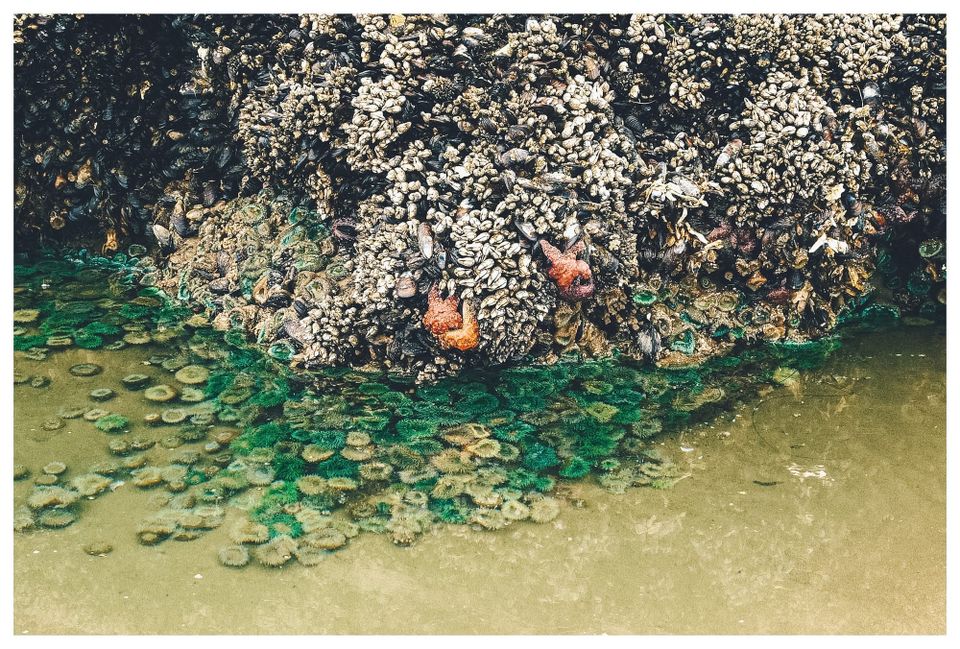
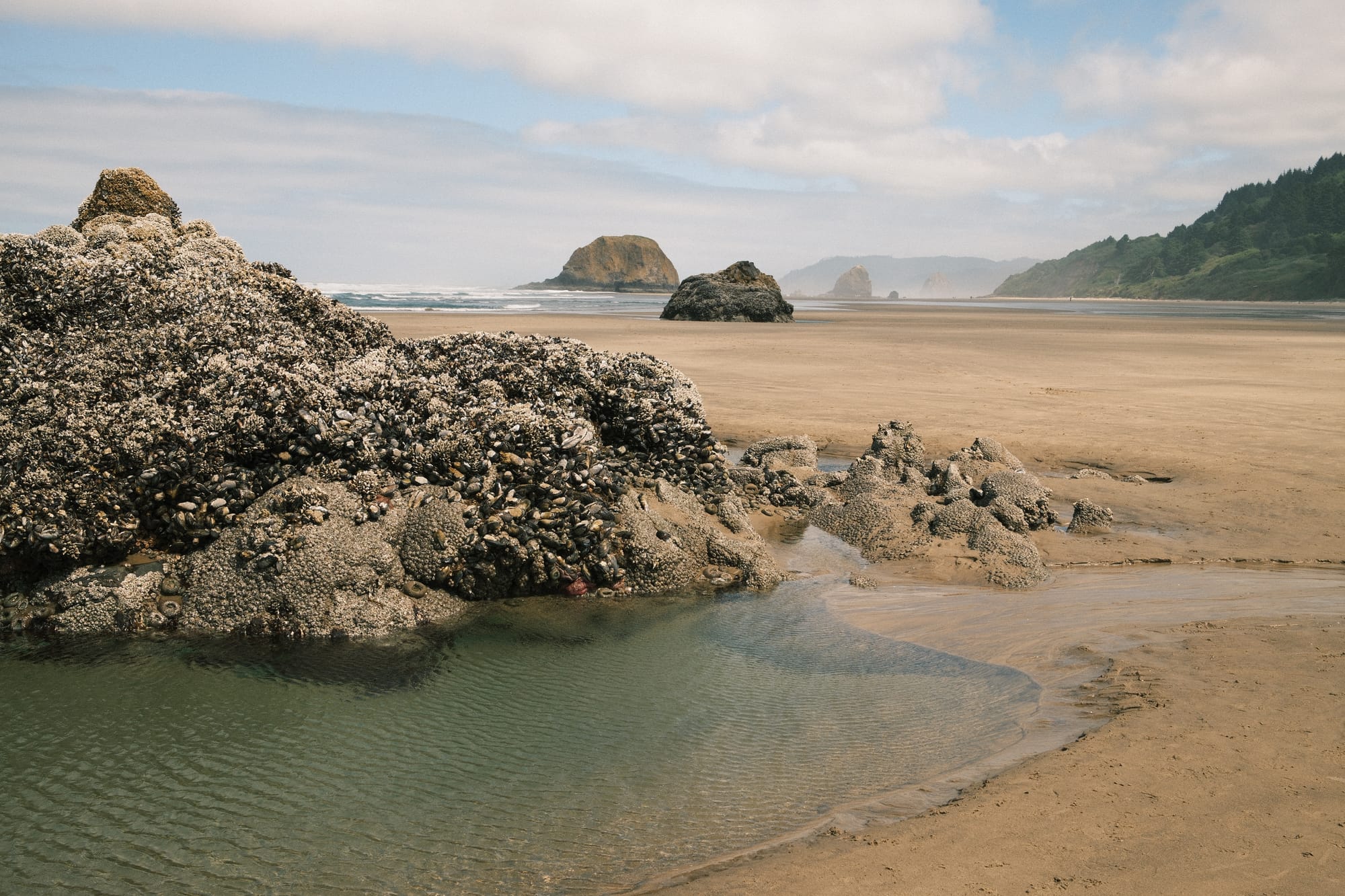
I went to the coast for the first time in years a few weeks ago during the minus tide, the lowest tide of the year. The water retreats further than it does during a normal low tide, unveiling all kinds of weird little guys for a limited time only. I took a few pictures.
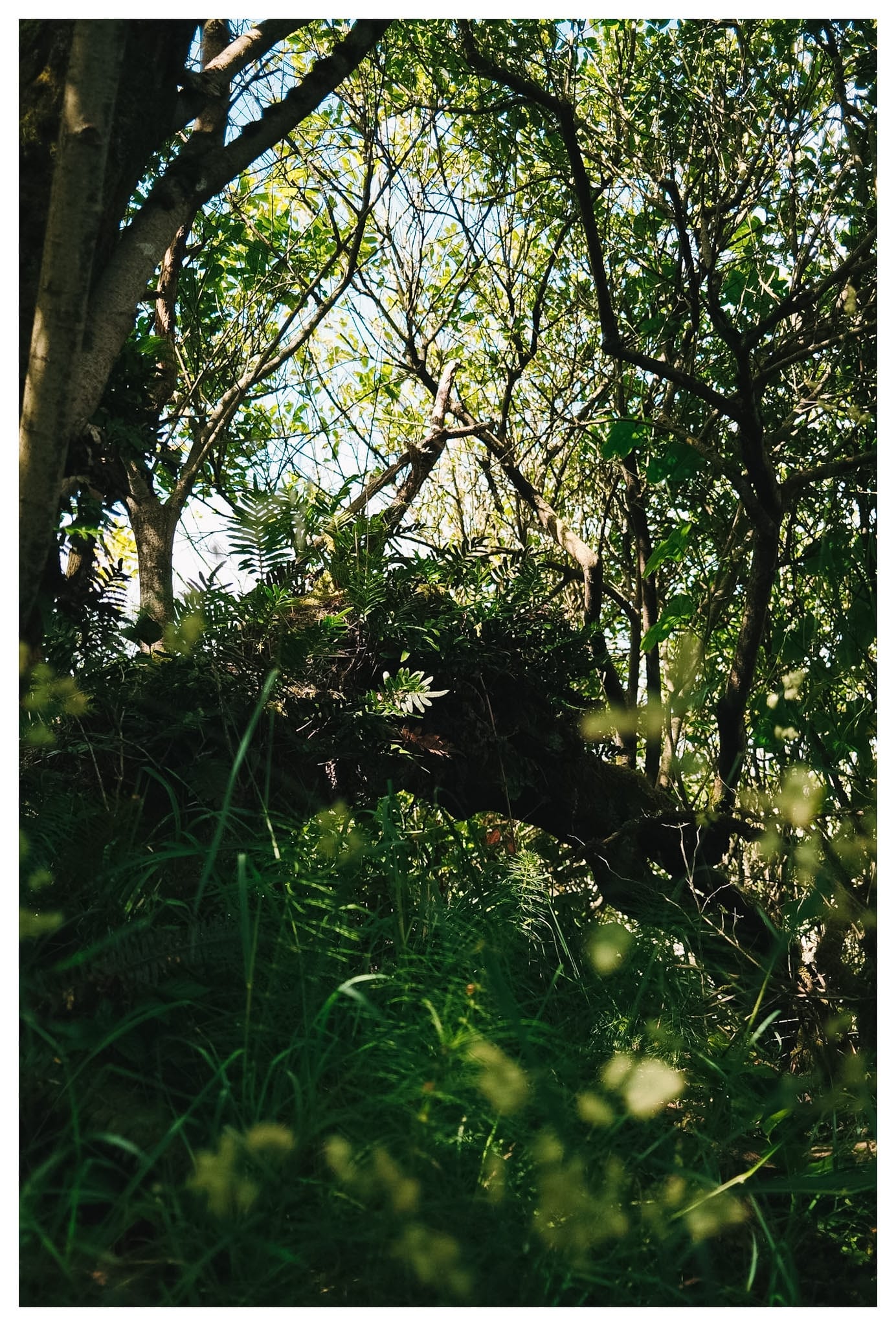
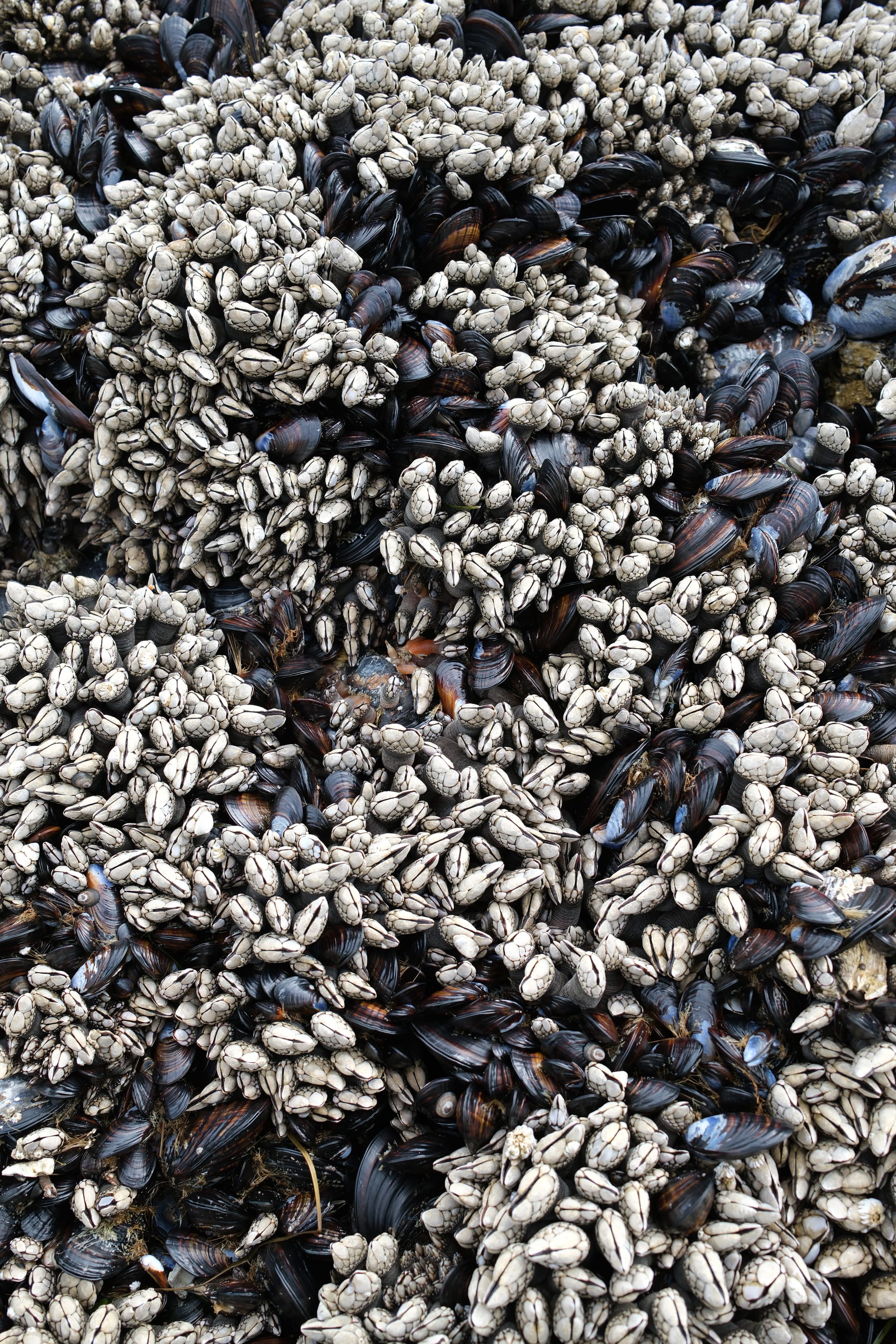
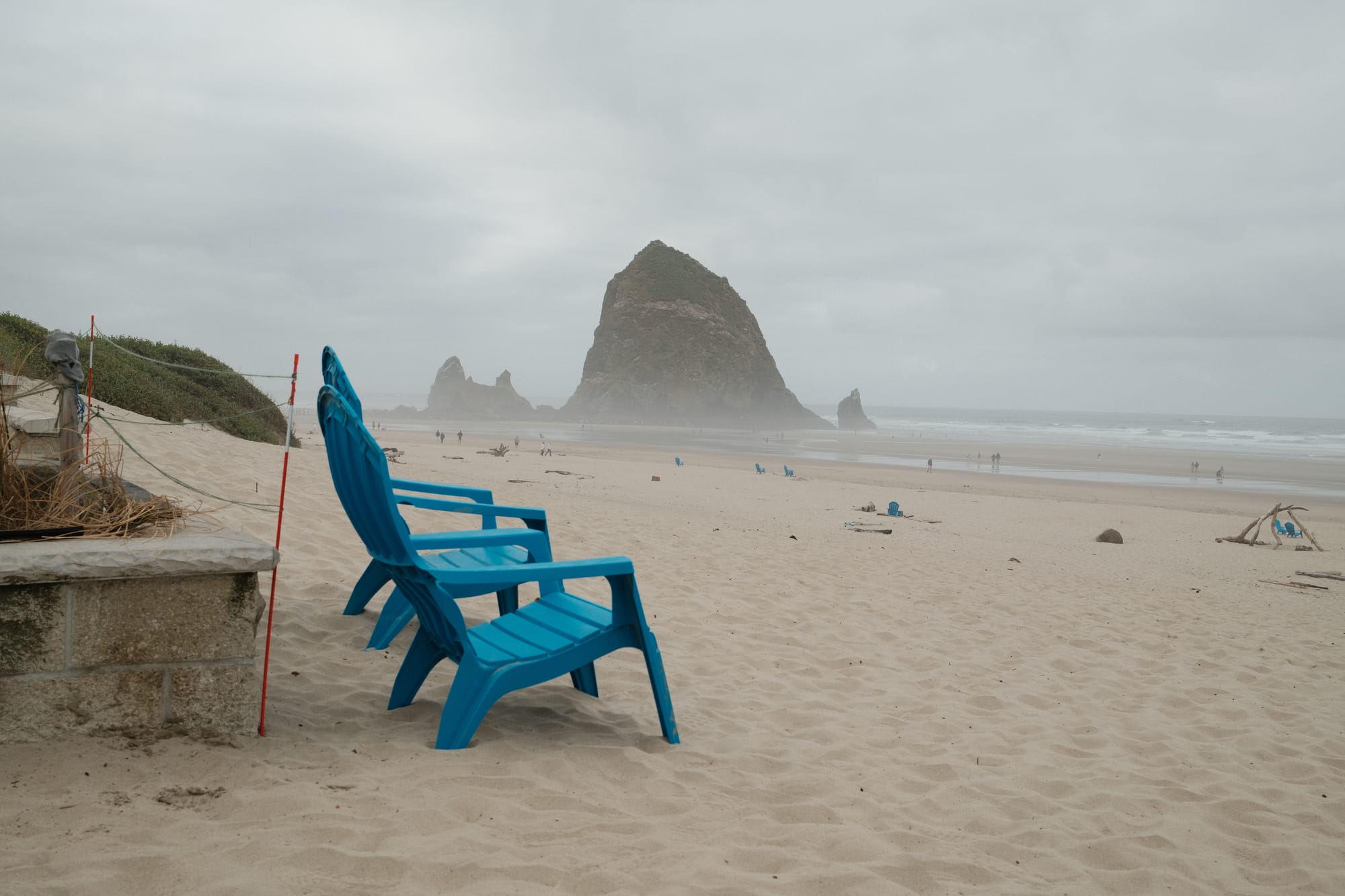
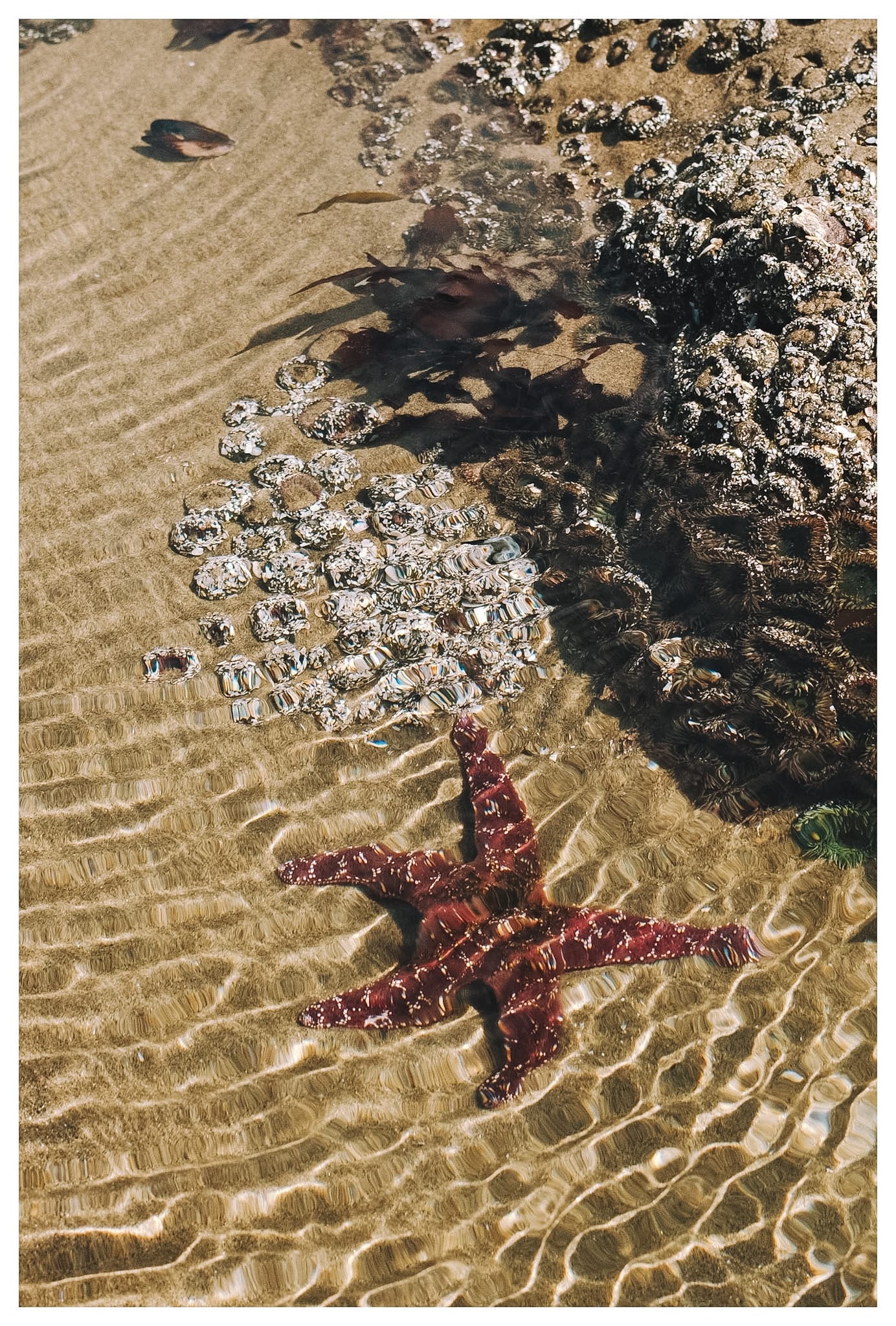
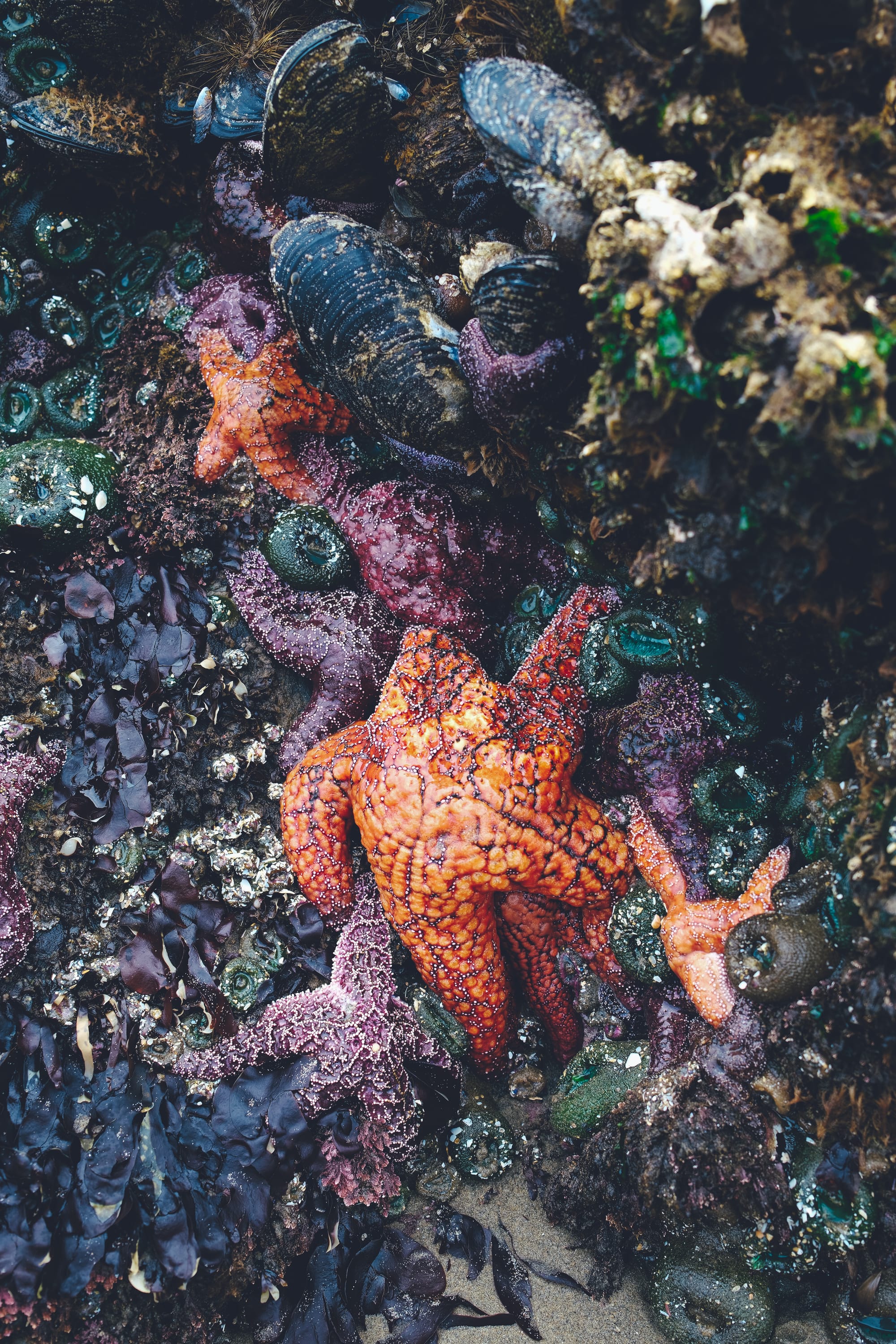
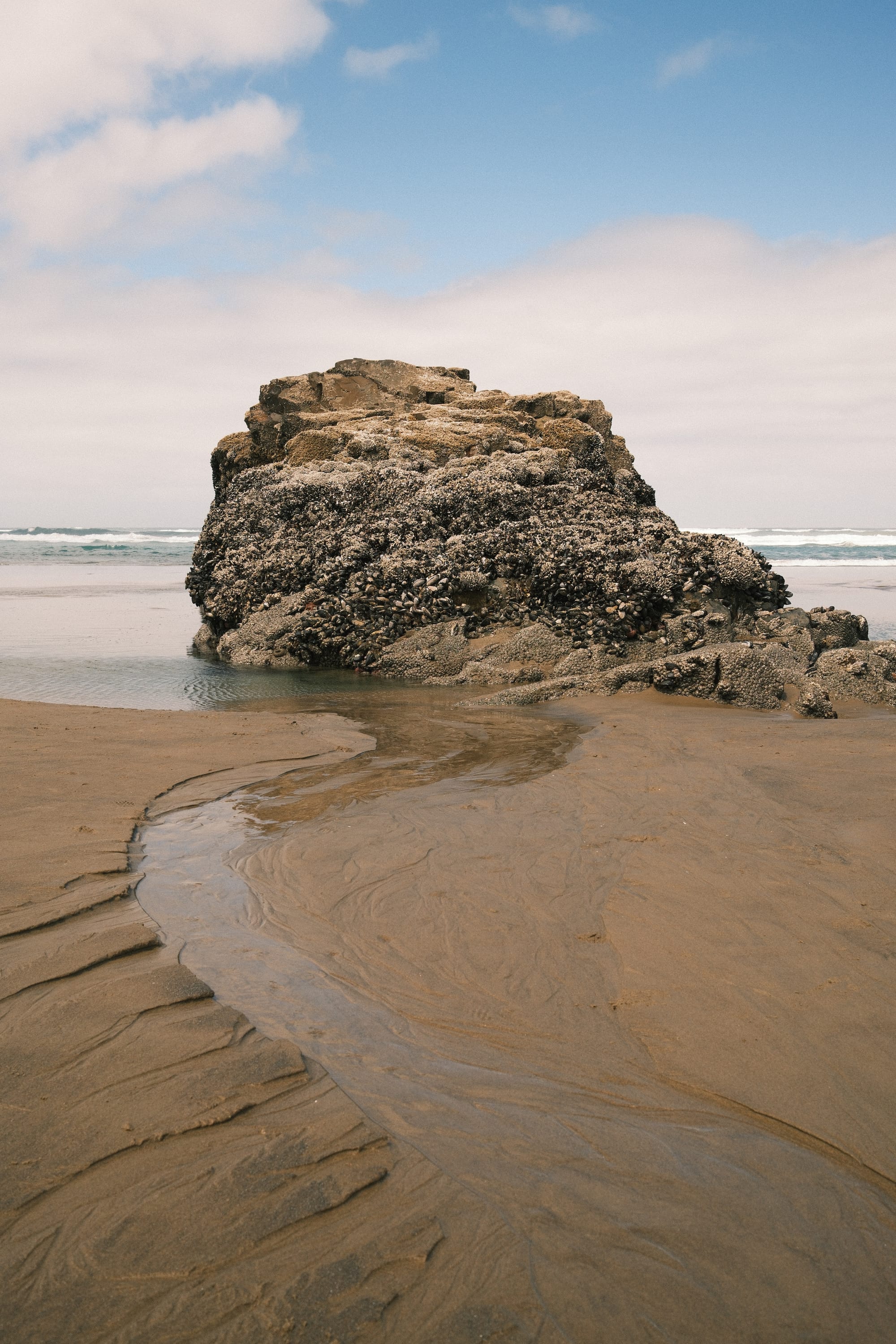
Ochre sea stars were everywhere, tucked away conspicuously near the waterline and waiting for the tide to rush back in. Small black crabs skittered nervously, picking over sea stacks covered in thousands of mussels. Lower down on the rocks, hundreds of giant green anemones were sucked up into wet, unpleasant, green-gray heaps. Dotted with sand and stones, they waited patiently for the first pulse of high tide to sweep over them and then unfurled completely, otherworldly teal tendrils fanning out and reaching into the water.
A lesson in patience, maybe.
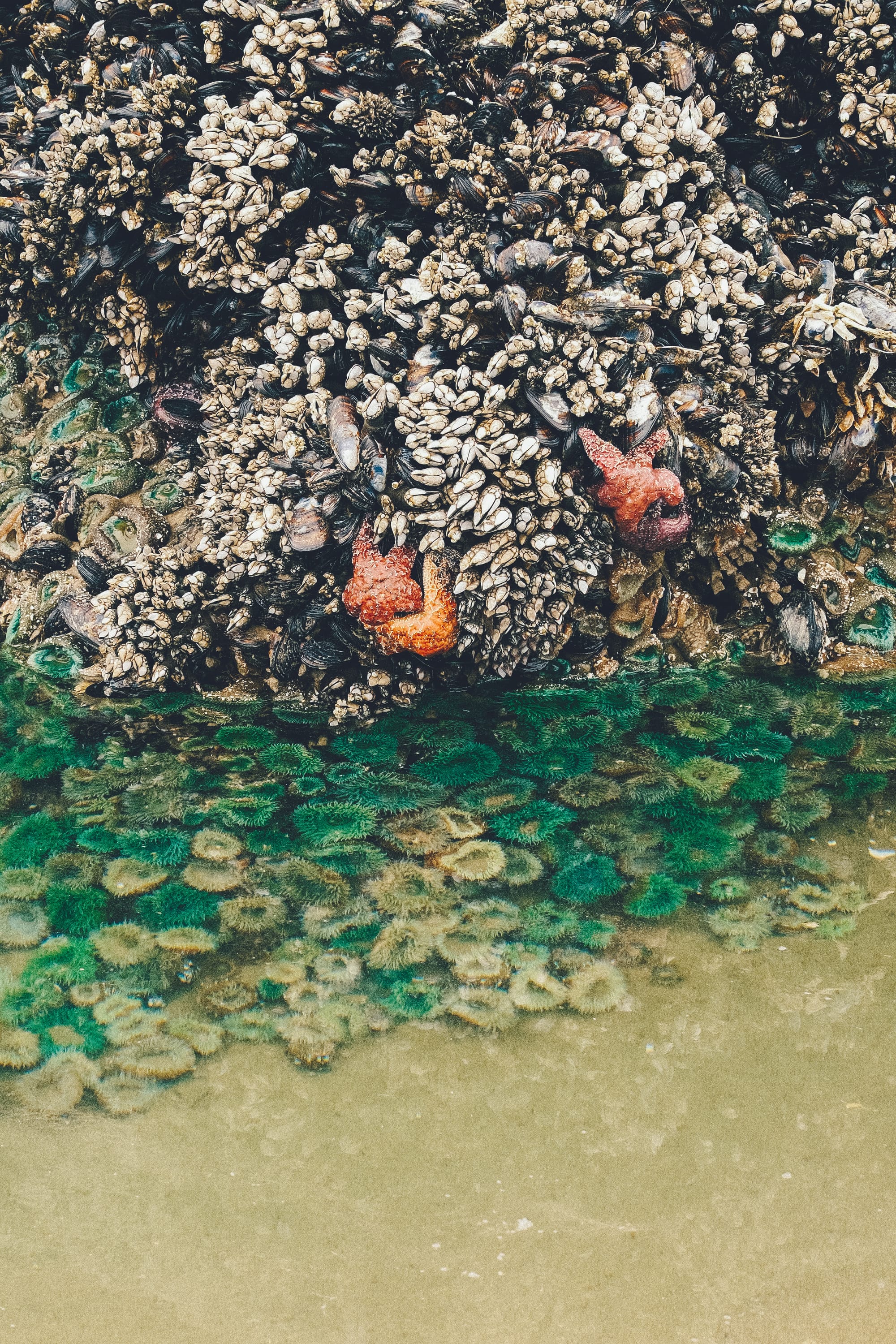
I listened to an episode of the NPR podcast Life Kit recently about setting intentions for your summer so you don’t wind up letting it pass you by, which is possible even with the pressure of Pacific Northwest Summer Mania. In the episode, they said you should pick one word to orient yourself toward what you want to be doing, so I picked “float.” To float rather than swim seemed like a more peaceful option and I mean it pretty literally. What anemones do seems to be clinging which is maybe the opposite of floating, but then the water comes and they are anchored but floating too — and hunting! Being in the water is enough for a good life, I think. I’m sure they would agree.
Sometimes you just need to go and look at the water and see what it’s up to. I’m reading a book by an author I like called Is a River Alive? which yes, I do think so. It’s somehow a bit more freewheeling than his last book I read, Underland, which delved deeply into all things underground. Caves, crevasses, mythological underworlds, Parisians who spend weeks in abandoned metro tunnels and quarries under the city — all of that stuff really scratches an itch for me. Underland was incredible, one of my fave reads in the last few years and I think about it a lot. In the river book, the author divides his writing into sections spent with conservationists fighting to preserve a given river, starting in the Los Cedros cloud-forest in Ecuador, then moving to an intensely polluted waterway in Chennai and onto Quebec’s Mutehekau Shipu (Magpie River), which was at risk of damming. His descriptions of nature are incredible and honestly make me think that he’s probably done his fair share of psychedelics (complimentary):
“The rain never arrives, but hummingbirds do. they move around and between us with ear-vibrating thrums, shifting so quickly they seem to beat time. they are so gifted and interdimensional that i long to become one. these are the real ores of the forest, i think, its rare earths: the coppers, silvers and golds, all lapped metal and whirring clockwork.”
Ultimately the book is about fighting for river rights and even river personhood, which is an interesting concept, occasionally a legal distinction, and a current movement rooted in many native traditions. If Hobby Lobby has rights and legal personhood, why shouldn’t the Mississippi or the Amazon? (You know I’m starting to think we’ve got to do something about these pesky corporations; they just keep getting away with it…)
Here in Portland, I am thinking about rivers often. After a century and a half of heavy industry treating the Willamette as a garbage disposal, there are all kinds of interesting projects in the works on the banks of the river that bisects the city. One floating dock on the river now has a DJ and a swim party every week during the summer, which feels very Berlin. With new swim ladders and a push from some cool orgs, people are increasingly hopping into the Willamette river right in town rather than heading to the Columbia (beach river), the Washougal (rocky, cold river) or the Sandy (party river). Easy swimming in the summer is honestly the whole reason I moved to Portland to begin with.
Just around the corner from my house, a group of botanists is working on transforming a superfund site into Portland’s largest botanical garden and I personally am very excited for this and opine about it often. Next door to that, North Portland is getting a new public beach once they cart off and cap many tons of toxic industrial mud currently marinating in Willamette Cove. The area, a narrow strip of oak and madrone, is technically closed but you can explore down there. I’ll pop down there at dusk sometimes to admire the riparian forest slowly taking back what belongs to it (cracked concrete and graffiti mostly) and the handful of ghostly abandoned boats moored just offshore. Unobserved, nature creeps back, an inevitable green wave of living time. It’s reassuring.
Speaking of exploring spooky places — okay I’m still thinking about Underland — there’s a whole organized hobby called “urbex” dedicated to sneaking into abandoned mostly industrial spaces and exploring them? I really vibe with this whole idea, but I’m guessing you’d probably need a sharp and ominously glinting knife or some pepper spray as a precaution. I’m scared of the dark, scared of small spaces, and scared of enclosed spaces but otherwise this seems like the perfect hobby, with almost nothing intrinsic to it that could go catastrophically wrong. Naturally, because dark, confined spaces are so scary I also find them FASCINATING. I once read a whole-ass book about cave diving (Into the Planet: My Life as a Cave Diver by Jill Heinerth) and if it was an ongoing series I’d read every book forever even though the idea of plunging into a deep black labyrinth underwater is a nightmare.
Portland’s urban exploration community recommends the former concrete factory by OMSI as a beginner-friendly adventure. If you’ve done this please tell me about it. People are really out here hopping through decaying buildings in the center of town, falling through holes in the floor, just for fun. Apparently, they are also scampering up ladders on the side of the old grain elevator in the Rose Quarter, but not for long, since urban renewal might rescue that one from a longer-term fate of slow decay. Another river project, and one with a fancy basketball court!
With my cave diving career over before it’s begun and my urbex career similarly stunted by the threat of death and dismemberment or at least tetanus, I am left with this open source database of people exploring sketchy abandoned places. Enjoy the adventure of decaying American infrastructure in late stage capitalism, but… as a wiki! I found a spot in this database just east of I-205 just called “the hole.” The photos show a long ladder pierced by a shaft of light with no other information. Okay. One small marker in the middle of a tiny town just upriver from Portland is labeled “ghost house” — no other details. Just a map marker and an invitation. In the Paris underground, the PhD-level urbex adventure, people sometimes spend a week down there, just mapping it out and exploring, naming as they go. The names sound like the ominous stuff that people name sport climbing routes. From Underland:
“The map’s place names traverse a range of cultural registers, from the classical to the surreal to the military-industrial. The Room of Cubes. The Boutique of Psychosis. Crossroads of the Dead. The Medusa. Bunker Under the Mountain. The Monastery of the Bears. Ossa Arida. Room Z. Affordance is specified on the map in handwritten cursive words: “Low,” “Quite low,” “Very low,” “Tight,” “Flooded,” “Impracticable,” “Impassable.” More detail is occasionally given: “Humid and unstable region (sometimes flooded)”; “Beautiful gallery, vaulted and corbelled.”
This is probably a concept more safely explored in a dungeons and dragons campaign but nonetheless I am interested.
Member discussion